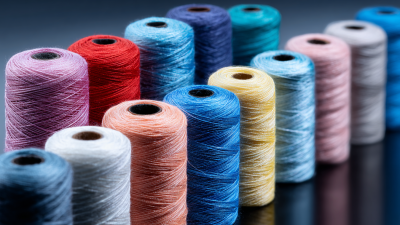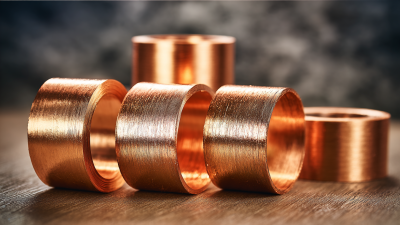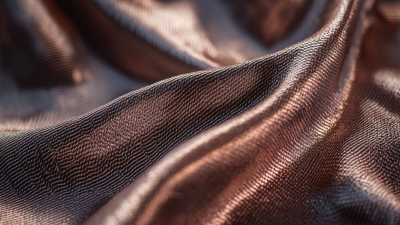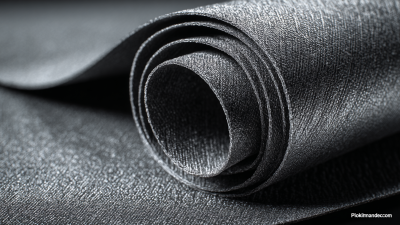
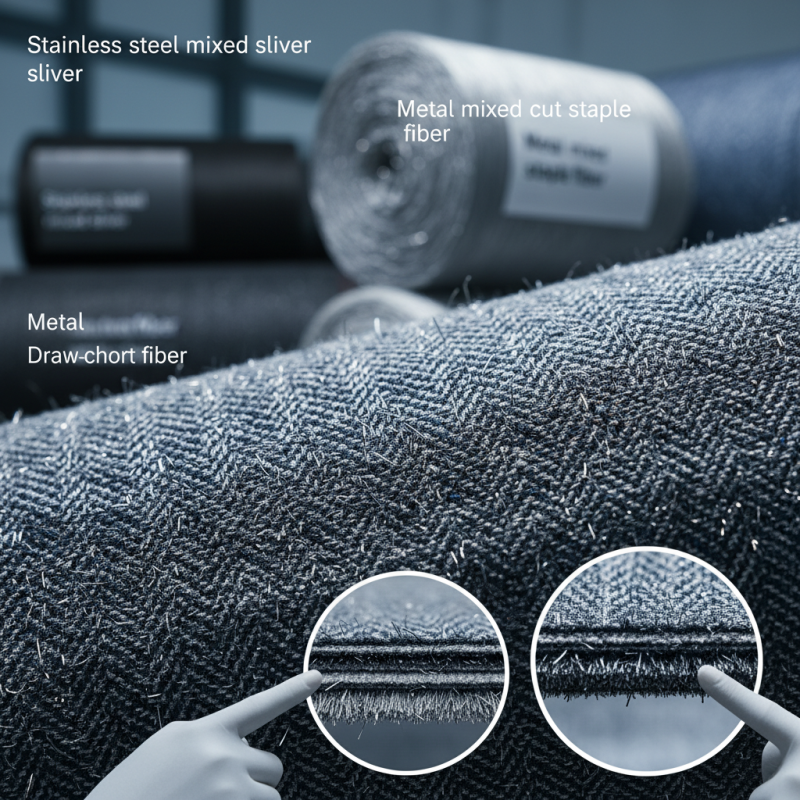
You know, the Textile world is really going through some exciting changes these days. One of the coolest developments is the rise of new, innovative materials, especially this stuff called Mixed Anti Static Fiber. It’s pretty versatile—combining different features—which makes it perfect for a bunch of different uses. Companies like Jinan Jinshi Textile Co. and Hangzhou Chenguang Industry are really leading the charge. They’ve got all sorts of products, like Metal draw-cut fiber and Metal cut short fiber, showing just how adaptable these mixed materials can be.
This Mixed Anti Static Fiber actually offers a pretty neat fix for static electricity problems in textile production. By mixing in things like Stainless Steel sliver and stainless steel metal fiber sliver, manufacturers can make Fabrics that are not only functional but last pretty well, too. But, of course, it’s not all smooth sailing. Some companies find it tricky to keep the balance between affordability and good quality. Others struggle to find the right type of metal mixed staple fiber for their specific equipment.
As the demand for high-tech textile solutions keeps growing, jumping on these trends might really pay off. Using Mixed Anti Static Fiber could help them offer better products and stay competitive. Still, it’s important for manufacturers to keep refining their strategies and pushing for sustainability. There’s a lot to explore in this space, especially with innovations like Metal cutting staple fibers and more. It’s an exciting time for the industry, no doubt.
The wholesale market for anti-static fibers is evolving rapidly. These fibers play a critical role in various industries, especially electronics and textiles. Anti-static mixed fiber materials help prevent static charge build-up. This is essential in production lines and workplaces where sensitive components are handled.
In 2026, trends indicate a shift towards sustainable production methods. Eco-friendly anti-static mixed fiber options are gaining traction. Manufacturers are looking for ways to blend these fibers with recycled materials. However, achieving the right balance of performance and sustainability remains a challenge. Not all products meet the expected standards. There’s still room for improvement.
Furthermore, the demand for high-performance anti-static mixed fiber is rising. Many suppliers are struggling to meet this demand. Quality assurance is an ongoing issue. Some products do not consistently deliver the anti-static properties promised, leading to concerns in quality control. The market needs to reflect on these shortcomings to enhance consumer trust and satisfaction.
Mixed anti-static fiber products are gaining traction in various industries. These fibers effectively reduce static electricity build-up. This property is crucial in environments where electronic components are handled. The fibers can be blended with other materials, enhancing their versatility. They are often used in clothing, carpets, and industrial applications.
One key characteristic of these fibers is their durability. They resist wear and tear, making them suitable for long-term use. The fibers maintain their anti-static properties over time, ensuring consistent performance. Moreover, they can be treated with additional coatings. This enhances their conductivity and static dissipative qualities. However, the processing methods can sometimes affect their performance characteristics.
Another notable feature is their comfort. When blended into fabric, these fibers offer a soft feel. This makes them appealing for consumer goods like clothing. Yet, consumers sometimes overlook the benefits of anti-static features. Many do not realize the importance of static control. Further education in this area could benefit manufacturers and consumers alike. Developing eco-friendly processing techniques is critical. Balancing functionality with environmental responsibility is essential.
| Product Type | Key Characteristics | Applications | Market Demand | Region |
|---|---|---|---|---|
| Anti-Static Clothing | Lightweight, breathable, and comfortable | Electronics manufacturing, clean rooms | High | Asia-Pacific |
| Anti-Static Bags | Moisture barrier and protective | Packaging for electronics | Growing | North America |
| Anti-Static Tapes | Strong adhesion and static dissipation | Electronics assembly | Moderate | Europe |
| Anti-Static Flooring | Durable, easy to clean, and resilient | Production facilities, labs | Stable | Global |
| Anti-Static Brushes | Soft bristles that effectively eliminate static | Precision cleaning of sensitive devices | Increasing | Asia-Pacific |
The demand for anti-static fibers is rapidly increasing. Various industries, particularly electronics and textiles, are driving this trend. A recent report noted a 15% annual growth rate in anti-static fiber production. This surge reflects a broader need for materials that mitigate static electricity. Businesses are seeking effective solutions to protect sensitive electronic components.
Supply chain challenges have emerged, creating gaps in availability. Manufacturers struggle to meet rising orders. Some report delays of up to six months for anti-static mixed fiber products. This adds pressure to companies hoping to maintain quality and consistency. The tension between demand and supply is something businesses must address.
Consumer awareness is also changing. More consumers understand the importance of anti-static solutions. Industries are pushing for better quality, creating a need for innovation. There's a strong desire for fibers that offer durability and performance. Reports suggest that choosing high-quality anti-static mixed fiber can enhance product reliability. Balancing quality and cost remains a challenge for many manufacturers.
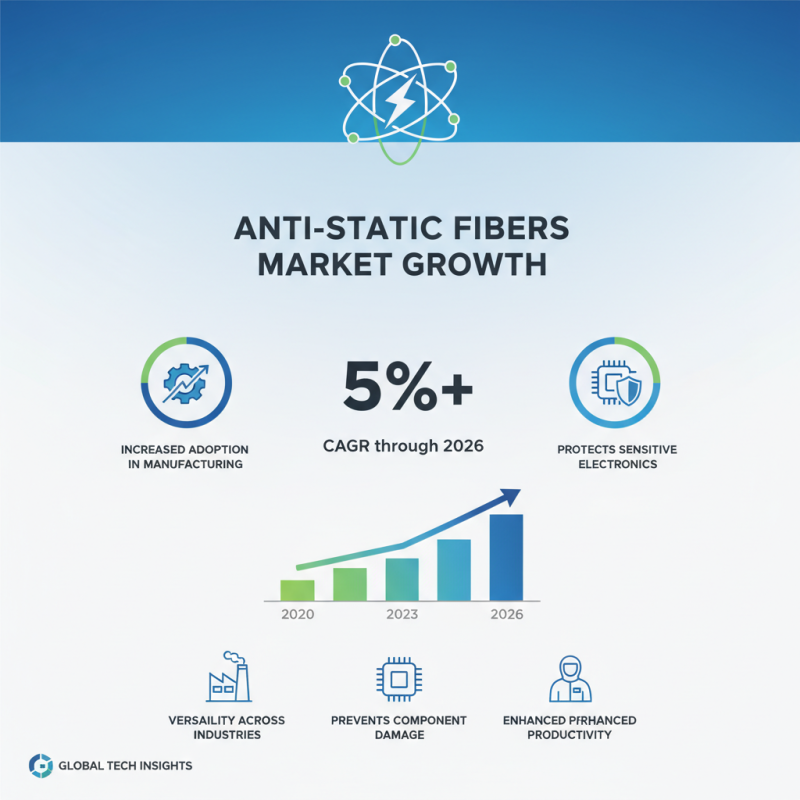
Mixed anti-static fibers are gaining traction across various industries due to their versatility and effectiveness. In the electronics sector, these fibers help prevent static buildup, which can damage sensitive components. The global anti-static market is expected to grow at a CAGR of over 5% through 2026. This growth reflects increased adoption in manufacturing processes.
In the textile industry, mixed anti-static fibers are now a staple. They make garments safer for workers exposed to hazardous environments. Lightweight and durable options, such as Bulletproof 1000d Aramid Yarn, offer protective benefits in military applications. This yarn integrates Kevlar aramid fiber, known for its strength and heat insulation properties. Users appreciate the balance between comfort and safety.
However, challenges remain. For instance, some manufacturers struggle with consistency in fiber quality. Such issues can compromise product efficacy. Moreover, understanding the complexities of anti-static properties requires ongoing research and development. The mixed Kevlar fiber fabric holds promise, but it demands careful handling in production to meet industry standards.
The demand for anti-static fibers is rising in various industries. These fibers are crucial for sectors like electronics and aerospace. According to industry reports, the anti-static fiber market is projected to grow by 5.3% annually through 2026. This growth reflects an increased focus on safety and product integrity.
Leading manufacturers in China supply a wide array of anti-static fibers. These companies utilize advanced technologies to create materials that prevent static electricity buildup. At the same time, they face challenges like raw material fluctuations and environmental regulations. Many suppliers are investing in sustainable practices to meet these challenges. Sustainable trends are gaining traction, but firms still struggle to balance cost and eco-friendliness.
Sourcing anti-static fibers in China often involves navigating a complex landscape. While there are numerous manufacturers, not all meet stringent quality standards. Buyers frequently report difficulties in verifying the reliability of suppliers. This reality highlights the need for thorough market research and due diligence to find reputable partners. As the industry evolves, the importance of building trustworthy relationships remains vital.
The trend toward sustainability in anti-static fiber production is gaining momentum. Many manufacturers are re-evaluating their processes. They are focusing on reducing waste and lowering emissions. The use of recycled materials is on the rise. It helps decrease the dependency on virgin resources. This shift creates challenges as not all recycled fibers perform well. Quality control becomes a significant concern.
In addition, eco-friendly dyes and treatments are gaining attention. These alternatives are less harmful to the environment. However, they may not provide the same durability as traditional options. Manufacturers must strike a balance. It's not easy to meet both performance and sustainability standards. Some companies still prioritize cost over eco-friendliness. This approach can hinder true progress.
Consumers are increasingly paying attention to sustainable practices. Transparency is essential in this evolving market. They want to know where their products come from. There’s a growing demand for certifications and eco-labels. Still, navigating these certifications can be complex. Not all certifications ensure true sustainability. Companies need to reflect on their practices. They must adapt to stay relevant while maintaining integrity.
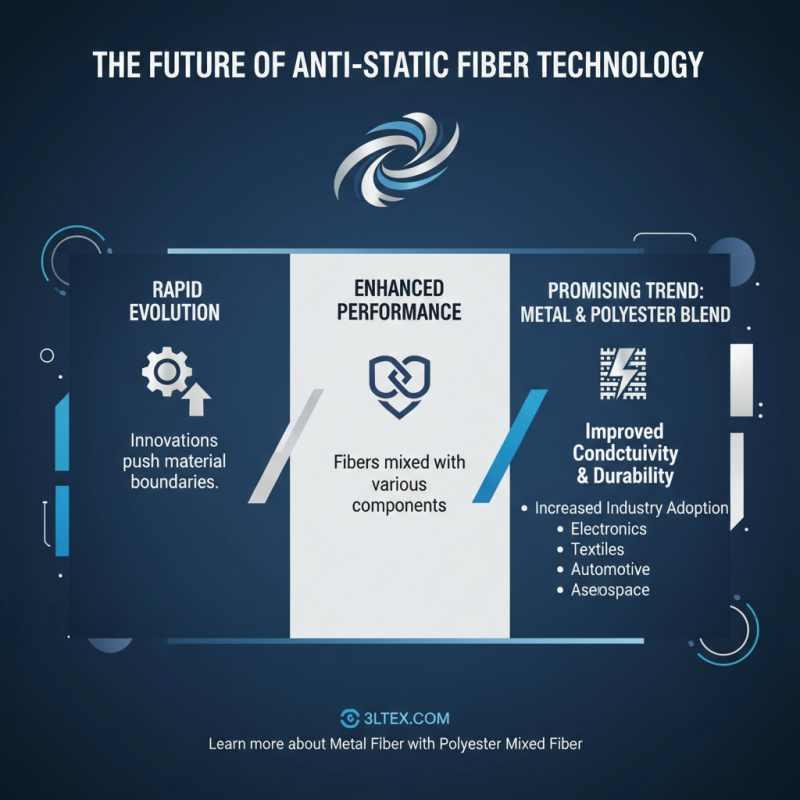
The future of anti-static fiber technology is evolving rapidly. Innovations are pushing the boundaries of traditional materials. Anti-static fibers are now mixed with various components for enhanced performance. One promising trend is the use of metal fiber with polyester mixed fiber. This combination offers improved conductivity and durability, attracting more industries.
Developers are focusing on improving the comfort of these fibers. Softness and flexibility are key factors for user satisfaction. However, achieving the right balance between durability and comfort remains challenging. Manufacturers must consider the environmental impact of production. Sustainable practices must be integrated into the development process. The industry is moving towards more eco-friendly materials, but it’s a work in progress.
Another area of focus is the functionality of anti-static fibers. Incorporating additional properties like water resistance can expand their applications. Despite advancements, achieving consistent quality in production continues to be a hurdle. Attention to detail is crucial in addressing these imperfections. With ongoing research, the future looks promising for mixed anti-static fiber products.
: The product aims to enhance user experience in specific activities. It focuses on providing convenience and efficiency.
Follow the instructions provided carefully. Ensure you understand the steps to maximize its potential benefits.
Users should be cautious. Always prioritize safety and follow guidelines to avoid accidents or misuse.
Not everyone may find it suitable. Certain individuals may require alternative options based on their needs.
Check for any user errors first. If issues persist, refer to troubleshooting tips or customer support for help.
Yes, regular maintenance is essential. Neglect can lead to decreased performance over time.
While it has unique features, some users may not find it sufficient compared to alternatives.
Users often overlook key steps. Others underestimate its power and misuse it inappropriately.
Recommendations depend on individual experiences. What works for one may not be suitable for another.
Longevity varies based on usage. Careful use can extend lifespan, but wear and tear is inevitable.
The article "2026 Top Wholesale China Mixed Anti Static Fiber Product Trends" provides a comprehensive overview of the rising significance of Mixed Anti Static Fiber within the wholesale market. It highlights the key characteristics that define these fibers, such as their ability to reduce static electricity and enhance safety in various applications. The discussion emphasizes current trends driving the demand for such materials, particularly in industries prone to static-related hazards.
Furthermore, the article explores the diverse applications of Mixed Anti Static Fibers, showcasing their utility across multiple sectors. It also delves into sustainability considerations in the production process, emphasizing the industry's commitment to eco-friendly practices. Lastly, the piece outlines future directions and potential innovations in anti-static fiber technology, indicating a growing trend towards more advanced and efficient solutions in the market.