Conductive copper fiber is really shaking things up across different industries with its one-of-a-kind properties. As we step into 2026, it’s pretty exciting to see how quickly its uses are growing. These fibers are superb because they conduct electricity so well, making them perfect for all sorts of applications—from smart textiles to cutting-edge electronic gadgets. Honestly, the variety they offer is quite impressive.
In the healthcare world, folks are starting to rethink how we do patient monitoring, all thanks to Conductive Copper Fiber. Wearable devices get lighter and more flexible because of it, which is a big plus. Plus, smart clothing embedded with these fibers can keep tabs on vital signs pretty effectively. But, of course, we gotta ask—can we really count on these tech tricks all the time? Will they stay reliable over the long haul?
And then there’s the fashion side of things. These fibers are also catching on with designers who want to blend style and tech. You’re seeing more clothes with a bit of this conductive material woven right in. Sounds cool, right? But some people are worried about how durable these garments will be—especially after multiple washes. So, while there’s a lot of potential, it’s also good to keep in mind the challenges that might pop up along the way.

Best Conductive Copper Fiber: An Overview
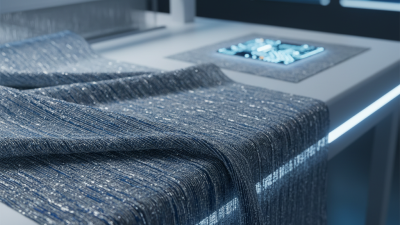
Conductive copper fiber is revolutionizing the textile industry. It offers a unique blend of conductivityand comfort. This fiber can easily be woven into Fabrics, making it ideal for various applications. Its ability to conduct electricity can enhance wearables and smart textiles. Imagine clothing that canmonitor heart rates or other vital signs.
Another interesting application is in industrial settings. Conductive copper fiber can be used in gloves or mats to prevent static buildup. This is crucial in electronics manufacturing. However, challenges exist. The cost of production may hinder widespread adoption. Also, long-term elasticity and durability are concerns. Users need materials that not only work but also withstand daily wear and tear.
Moreover, there is potential for environmental worry. Mining and processing copper have ecological impacts. The industry must prioritize sustainable practices. While the benefits are significant, there is much to reflect on regarding environmental effects. The balance between innovation and sustainability is a conversation worth having in the future.
Applications of Conductive Copper Fiber in Textiles
Conductive copper fiber is making waves in the textile industry. Its ability to conduct electricity opens up numerous applications. One significant use is in smart textiles, which integrate technology directly into clothing. Reports suggest that the global market for smart textiles is expected to reach $5.6 billion by 2026. This highlights the growing demand for innovative materials that improve functionality and user experience.
In the realm of wearable technology, conductive copper fiber stands out due to its lightweight properties. It can be woven into fabrics without sacrificing comfort. This is crucial for fitness enthusiasts who want seamless integration of technology in their gear. Studies show that 70% of users prefer clothes that can track their performance without being bulky. However, challenges remain. The balance between conductivity and durability must be addressed. High conductivity often leads to faster wear and tear.
Conductive copper fiber is also finding its way into healthcare textiles. For instance, it can be used in wound dressings that monitor healing progress through embedded sensors. The potential for improved patient outcomes is significant. Yet, the development phase also attracts scrutiny. Ensuring safety and skin compatibility is essential. The benefits are clear, but the implementation must be well thought out.
2026 Best Conductive Copper Fiber Uses and Benefits
Health Benefits of Conductive Copper Fiber in Wearable Technology
Conductive copper fiber is making waves in wearable technology. Its unique properties can enhance health monitoring systems. This innovative material conducts electricity while remaining soft and flexible. It allows devices to collect accurate data without compromising comfort.
Many wearable devices now use this fiber to track vital signs. Heart rates, body temperature, and even hydration levels can be monitored effectively. The integration is seamless; users hardly notice they are wearing tech. However, the long-term effects of prolonged use are still unclear.
Copper has antimicrobial properties, which can help reduce bacteria on skin contact. This can be beneficial for people with sensitive skin. Yet, how often should these garments be washed? That remains a question. Some concern also exists about the environmental impact. The production and disposal of copper fibers require careful consideration. Each benefit must be weighed against potential drawbacks.
Electronics and Conductive Copper Fiber: Key Uses
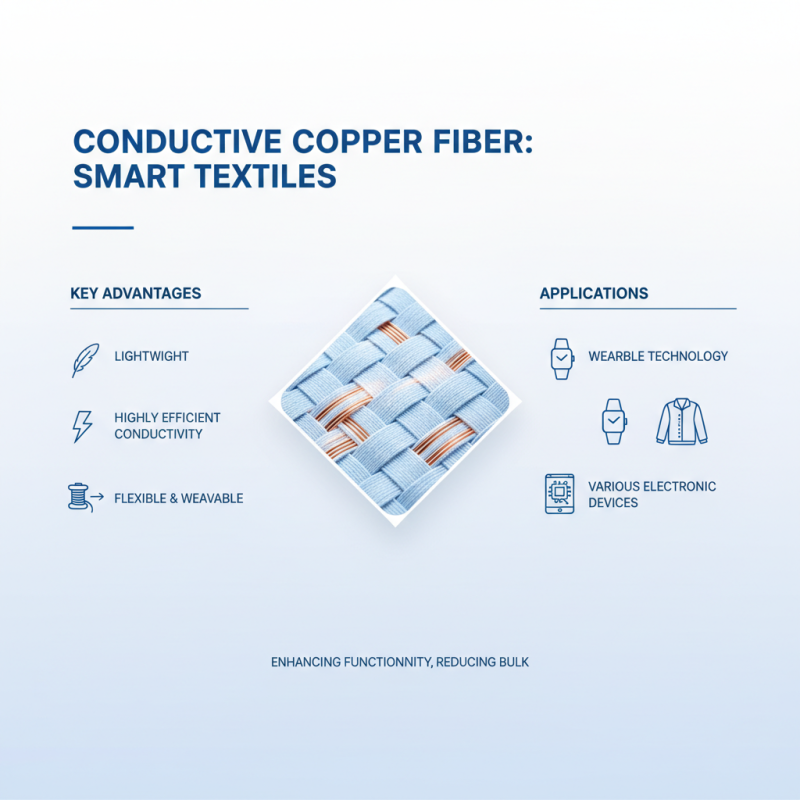
Conductive copper fiber is gaining traction in the electronics sector. This material is lightweight and highly efficient at conducting electricity. It is often woven into fabrics, creating smart textiles that can be used in various devices. For example, conductive copper fiber can be integrated into wearable technology, enhancing functionality without adding bulk.
The benefits extend beyond mere conductivity. These fibers are also resistant to wear and tear. They can withstand numerous wash cycles while maintaining their conductive properties. This durability makes them ideal for applications in health monitoring and sports gear. However, some challenges remain. Ensuring consistent conductivity across different environments can be tricky. Not all products meet the expected standards consistently.
Moreover, the market is still figuring out the best ways to utilize conductive copper fiber. Some applications show promise, but they need further research. Exploring proper manufacturing processes is essential. Balancing performance and cost is also a consideration. There may be more innovative uses for conductive copper fibers in the future. It’s an exciting yet imperfect field, with much room for growth and improvement.
Advantages of Using Conductive Copper Fiber in Smart Fabrics
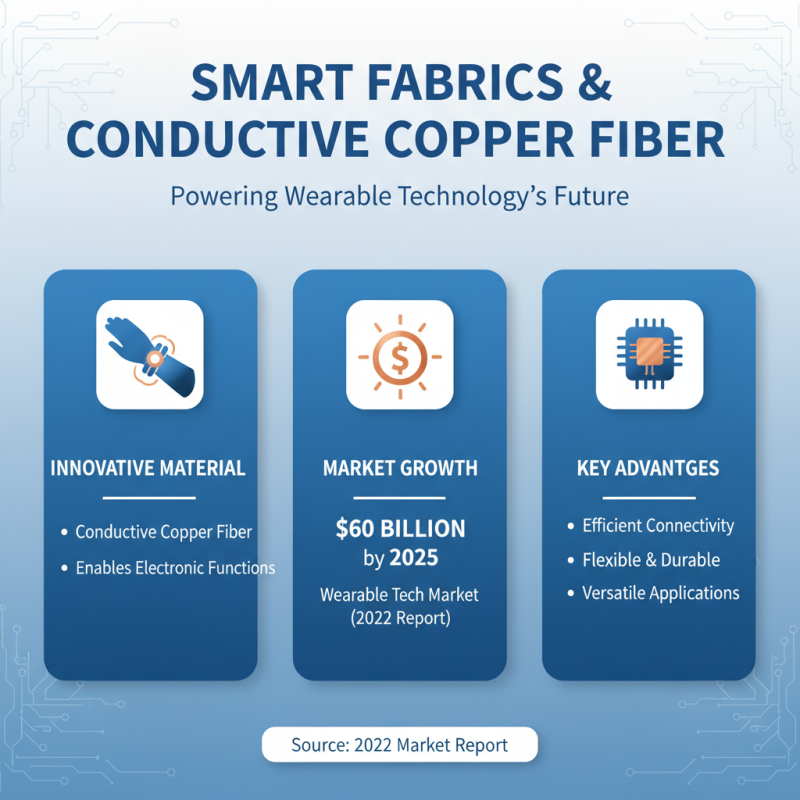
In recent years, conductive copper fiber has gained popularity in the realm of smart fabrics. This innovative material offers numerous advantages for wearable technology. According to a 2022 market report, the wearable technology market is expected to grow to $60 billion by 2025. Conductive copper fibers are integral to this growth, enabling efficient electronic functionalities in textiles.
One of the key benefits of conductive copper fiber is its excellent conductivity. Unlike traditional textile materials, it can effectively transmit electrical signals. This makes it ideal for applications in health monitoring and fitness tracking. Additionally, these fibers are lightweight and flexible. They integrate seamlessly into fabrics without compromising comfort or style. However, the challenge lies in ensuring durability — some products may experience wear and tear over time.
Integration of copper fiber in smart textiles can also raise concerns. While they enhance features, they may limit washing options for users. Not all fabrics can withstand the stress of repeated washing, risking device longevity. As the industry evolves, balancing smart functionality with practical usability remains a vital area for development. Manufacturers must navigate these issues as they innovate in the smart textile domain.
Environmental Impact and Sustainability of Copper Fiber
Copper fiber has unique properties that make it popular in textiles. Its conductivity allows for various applications. However, sustainability concerns arise from copper mining and processing. Mining can lead to habitat destruction and water pollution. These impacts cannot be ignored.
The use of copper fiber in clothing and accessories poses important questions. Can we balance functionality and environmental responsibility? Innovations in recycling copper and sourcing responsibly sourced materials may help. Making fibers from recycled copper reduces the need for new mining operations. This practice can mitigate some environmental impact.
Exploring alternatives is essential. Biodegradable materials might serve as complementary options. We should question our dependence on traditional copper fibers. Consumer awareness plays a crucial role in promoting sustainable choices. Together, we can pave the way for a greener future in textile manufacturing.
2026 Best Conductive Copper Fiber Uses and Benefits
| Application | Benefits | Sustainability Impact | Environmental Concerns |
| Wearable Technology | Enhanced electrical conductivity and flexibility | Use of recyclable materials | Energy-intensive extraction process |
| Smart Textiles | Integration of electronics into fabric | Sustainable sourcing of copper | Water pollution from mining |
| Antimicrobial Fabrics | Reduces bacteria and odor | Long lifespan and reduced waste | Potential for ecological disturbance |
| Conductive Coatings | Improved conductivity for various surfaces | Lower energy consumption | Toxic by-products from production |
| Static Electricity Dissipation | Prevents damage to sensitive equipment | Durable and effectively reusable | Limited recyclability of certain composites |
Future Trends in Conductive Copper Fiber Technology
The future of conductive copper fiber technology is exciting. It promises to revolutionize various industries. This material offers high conductivity and flexibility, making it ideal for smart textiles. Imagine clothing that can monitor health or connect to devices. These advancements can enhance user experience significantly.
Research indicates increasing applications in automotive and electronics. Conductive copper fibers could improve sensor integration in vehicles. This technology may also revolutionize wearable devices, leading to seamless connectivity. However, the challenge remains in balancing cost and performance. Innovations must be practical for widespread adoption.
Sustainability is another important trend. As materials evolve, environmental impact must be considered. Recycling techniques can ensure the longevity of conductive materials. We may even see hybrid solutions that combine copper with eco-friendly fibers. Yet, the industry must address these challenges. Growth in this area will depend on innovation and responsible practices.
Conclusion
Conductive Copper Fiber is a revolutionary material that is gaining traction across multiple industries, particularly in textiles and electronics. This innovative fiber serves various applications, from smart fabrics to wearable technology, enabling enhanced functionality and connectivity. The integration of Conductive Copper Fiber in textiles not only improves performance but also offers health benefits, such as better circulation and reduced inflammation through its conductive properties.
Moreover, the advantages of Conductive Copper Fiber in smart fabrics include its lightweight nature, durability, and ability to facilitate data transmission. As the demand for sustainable solutions grows, the environmental impact of copper fiber is also a crucial consideration, making it a preferred choice for eco-friendly textile solutions. Looking ahead, emerging trends in Conductive Copper Fiber technology promise to further transform its applications, making it an exciting area for innovation and research.